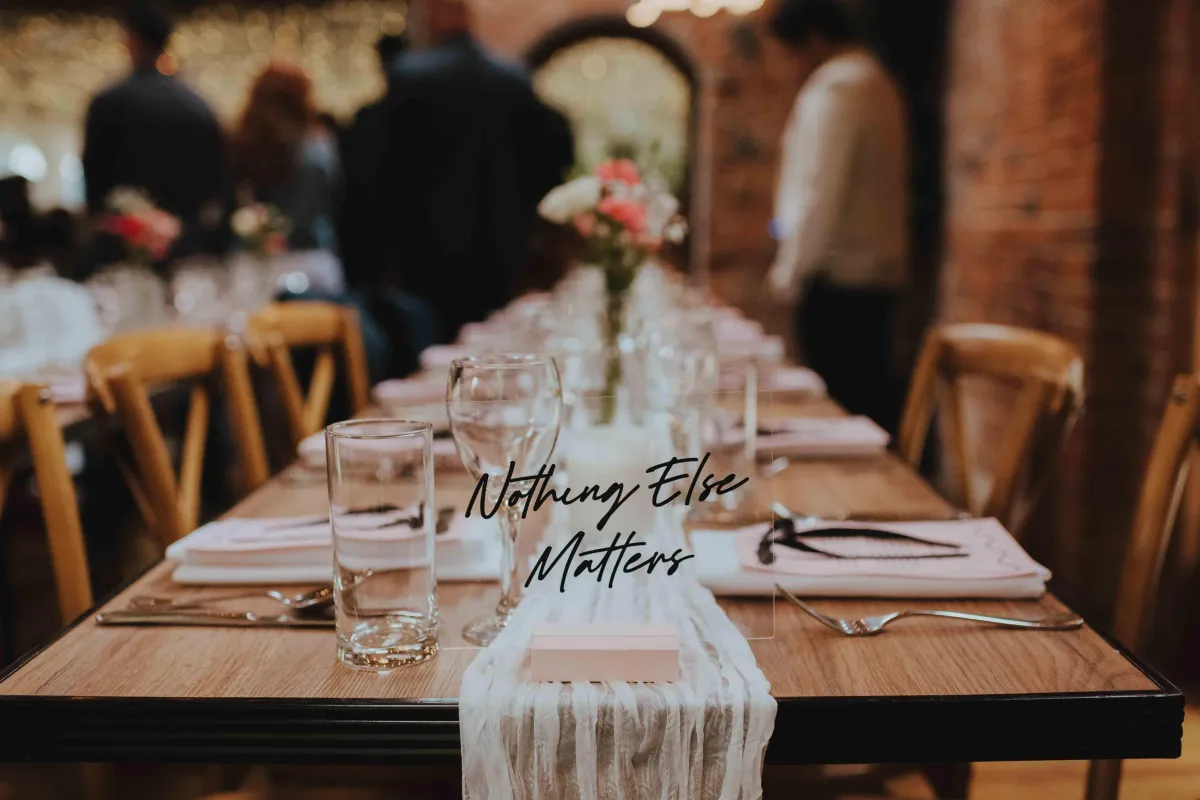
Your Love Language and Your Wedding
Making Your Wedding a Reflection of Your Love
Your wedding is more than just a beautiful event—it’s a celebration of your unique love story. Every couple has their own way of expressing and receiving love, and understanding these differences can make your big day even more meaningful. That’s where the concept of love languages comes in.
First introduced by Dr. Gary Chapman in The 5 Love Languages, this framework identifies five primary ways people give and receive love: Words of Affirmation, Acts of Service, Receiving Gifts, Quality Time, and Physical Touch. Each person connects with certain expressions of love more deeply than others, and these preferences shape how we feel valued and appreciated in relationships.
Incorporating your and your partner’s love languages into your wedding isn’t just a creative touch—it’s a way to make sure both of you feel deeply cherished and connected throughout the celebration. Whether it’s weaving meaningful words into your vows, designing a guest experience that prioritizes quality time, or planning heartfelt surprises for each other, your love languages can guide you toward a wedding day that feels truly personal.
This post will explore how you can thoughtfully integrate love languages into your wedding, ensuring that every moment reflects the love you and your partner share. Whether you naturally express love through grand gestures or quiet moments, these ideas will help you craft a day that speaks directly to your hearts.
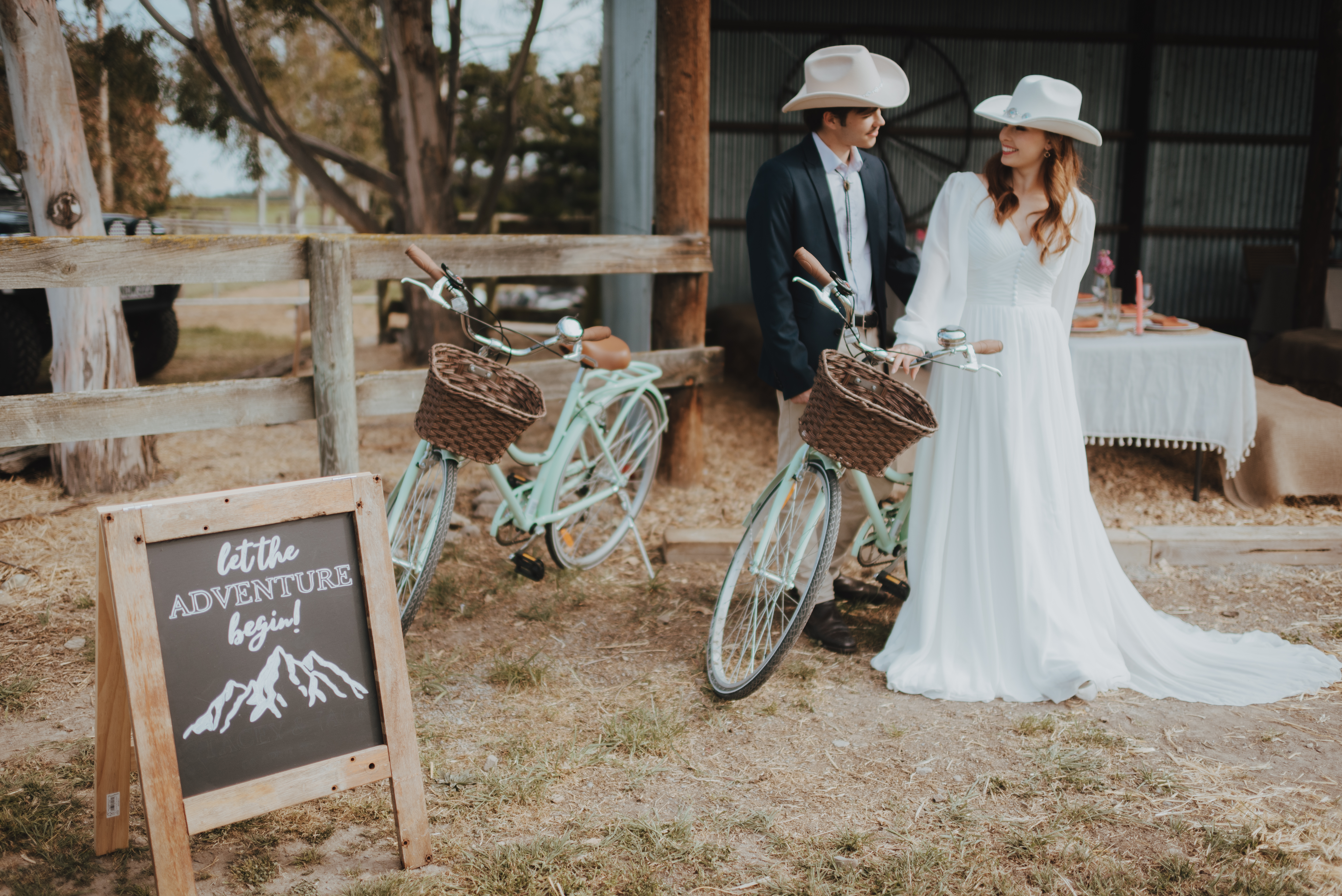
Starling Homestead near Waipara
Understanding Love Languages in the Context of a Wedding
Every couple expresses love differently, and understanding these differences can make your wedding planning more intentional and meaningful. The five love languages, as defined by Dr. Gary Chapman, explain how people best give and receive love. By incorporating these languages into your wedding, you’re not just creating a beautiful event—you’re designing a celebration that truly reflects the way you and your partner experience love.
Below is a breakdown of each love language and how it could play a role in your wedding experience:
1. Words of Affirmation
For those who feel most loved through words, verbal expressions of love, encouragement, and appreciation are deeply meaningful. This love language thrives on heartfelt communication, whether spoken or written.
How It Shows in a Wedding:
• Writing personalized vows filled with genuine words of love and admiration.
• Exchanging love letters before the ceremony for a private, intimate moment.
• Encouraging speeches from close family and friends who share meaningful stories.
• Incorporating love quotes, handwritten notes, or meaningful words into wedding décor (e.g., table settings with love-filled messages).
2. Acts of Service
For some, actions speak louder than words. If you or your partner feel most loved when someone goes out of their way to do something thoughtful, then acts of service should play a key role in your wedding.
How It Shows Up in a Wedding:
• Planning thoughtful surprises for your partner, such as breakfast in bed on the wedding morning or a surprise performance at the reception.
• Ensuring your wedding is guest-friendly, with thoughtful details like comfortable seating, personalized favours, or even a dedicated relaxation area.
• Including an element of giving back, such as donating wedding flowers to hospitals, contributing to a cause instead of traditional favours, or incorporating a charitable aspect into your registry.
3. Receiving Gifts
This love language isn’t about materialism—it’s about the thoughtfulness and meaning behind a gift. People who resonate with this love language cherish sentimental tokens that represent love, commitment, and cherished memories.
How to Give at Your Wedding
• Exchanging meaningful wedding-day gifts with your partner, such as a personalized keepsake, handwritten book of memories, or a piece of jewellery with sentimental value.
• Thoughtful, personalized wedding favours that reflect your journey as a couple.
• Creating a wedding registry focused on meaningful experiences rather than just material items.
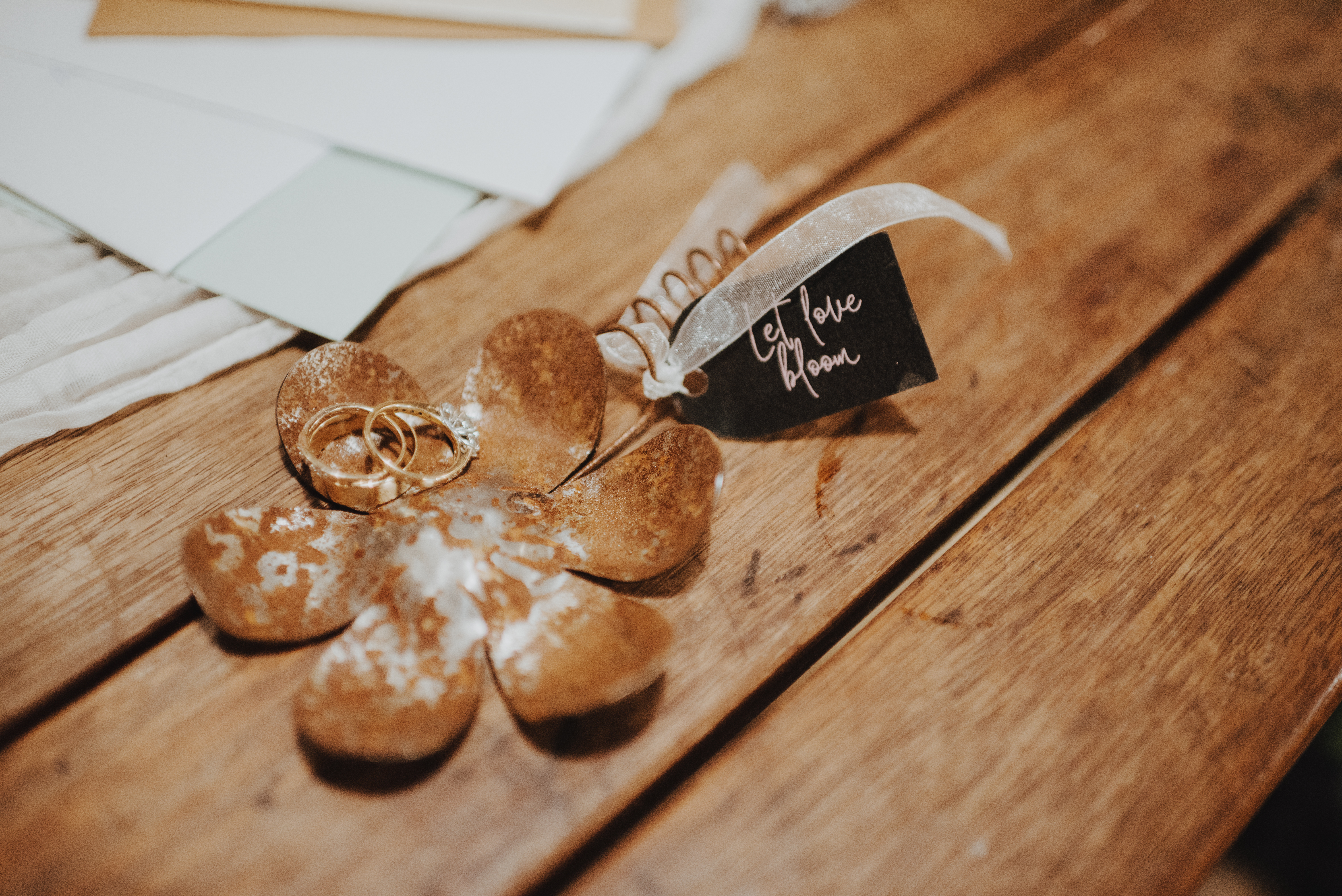
Sheetmetal flowers created by the father of the bride as wedding favours
4. Quality Time
For those who prioritize quality time, nothing is more meaningful than undivided attention and intentional moments together. A wedding built around this love language ensures deep connection and meaningful interactions.
How to Create Quality Time For Your Wedding
• Prioritizing intimate moments together, such as a first look before the ceremony or a private dinner before the reception.
• Designing an experience that fosters deeper connection with guests, such as an intimate guest list, an unplugged ceremony, or extended celebrations like a wedding weekend.
• Creating interactive elements at the wedding, such as a memory booth where guests share heartfelt messages or a cozy lounge area to encourage conversation.
5. Physical Touch
For those who feel most connected through physical touch, small gestures like hand-holding, hugs, and closeness are incredibly powerful. Weddings naturally incorporate physical touch, but being intentional about it can make the experience even more special.
How It Can Show in Your Wedding:
• Holding hands during the ceremony or incorporating a unity ritual that involves physical connection (e.g., handfasting, or a sand ceremony where you pour sand together).
• Planning a dance-heavy reception with plenty of opportunities for closeness.
• Creating a warm, intimate atmosphere with cozy seating arrangements and soft, romantic lighting.
Blending Love Languages for a Meaningful Wedding
Most couples don’t have just one love language—many of us connect with multiple ways of giving and receiving love. That’s why it’s important to find a balance that honours you both. You might naturally lean toward words of affirmation, while your partner values acts of service. By blending different love languages into your wedding, you ensure that both of you feel truly cherished on your big day.
Before diving into wedding planning, take time to understand how you and your partner naturally express and receive love. If you haven’t already, take the 5 Love Languages quiz together and discuss what aspects of each love language feel most meaningful to you.
• Ask each other:
o What makes you feel most loved and appreciated?
o What wedding elements would make the day extra special for you?
o What gestures would mean the most to you on our wedding day?
By identifying your top love languages, you can ensure that both of you feel emotionally connected throughout the celebration.
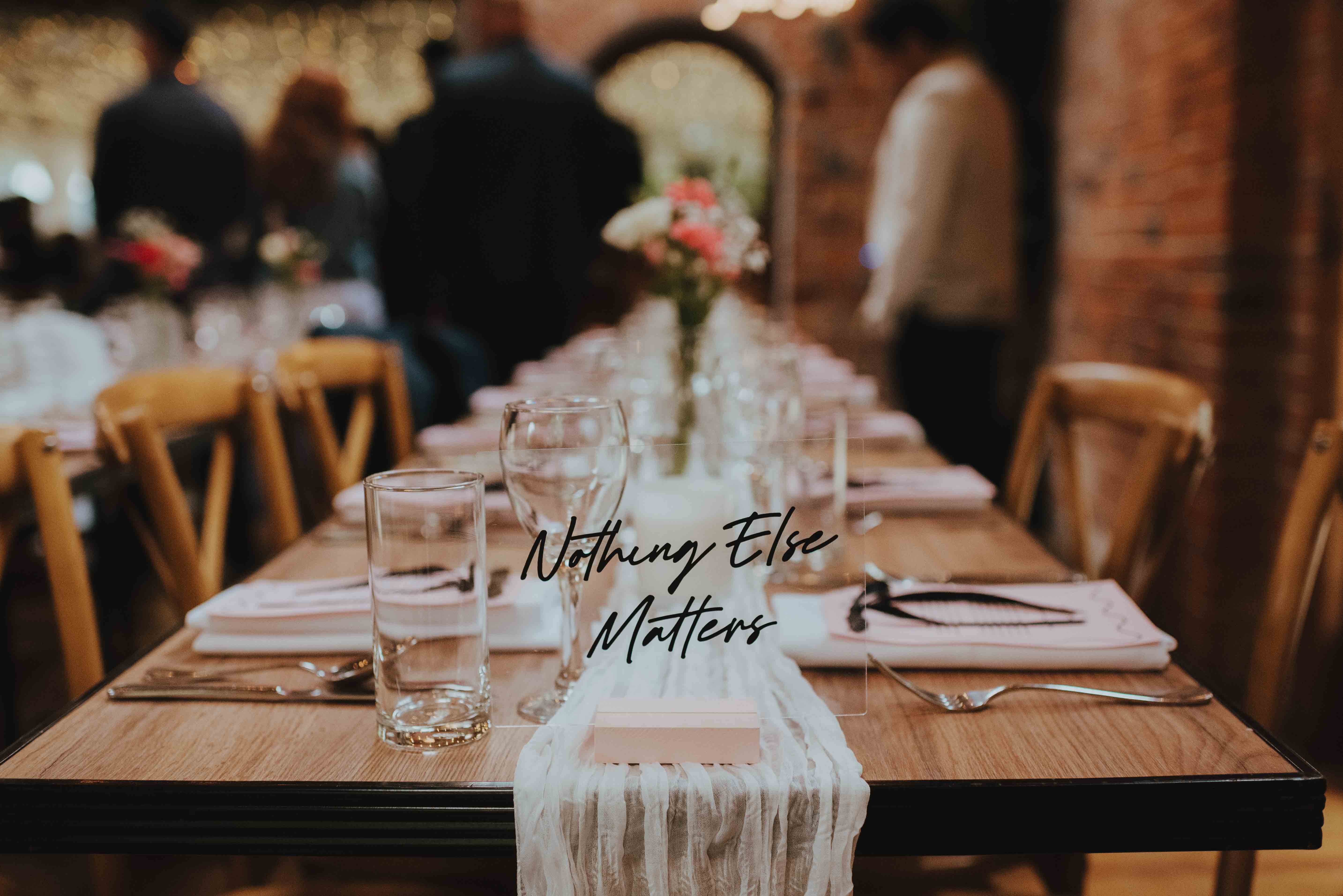
Unique table “numbers” named for the couples favourite songs together
Find Creative Ways to Blend Both Love Languages
If you and your partner have different love languages, find ways to incorporate elements of both throughout the wedding. Here’s how different love languages can work together:
Example 1: Words of Affirmation + Acts of Service
• One partner might love hearing heartfelt vows, while the other values actions that show love.
• Solution: Write deeply personal vows (Words of Affirmation) and plan thoughtful surprises for each other, such as a small, meaningful gesture before the ceremony (Acts of Service).
Example 2: Quality Time + Receiving Gifts
• One partner may cherish undivided attention, while the other values sentimental keepsakes.
• Solution: Plan an intimate first look or a private dinner before the reception (Quality Time), and exchange personalized gifts that hold deep meaning (Receiving Gifts).
Example 3: Physical Touch + Words of Affirmation
• One partner feels loved through affectionate gestures, while the other prefers verbal reassurance.
• Solution: During the ceremony, hold hands or incorporate a unity ritual that involves physical connection (Physical Touch), while also expressing your love through handwritten vows or a private love letter (Words of Affirmation).
By blending these elements, you ensure that both partners feel seen, valued, and deeply connected.
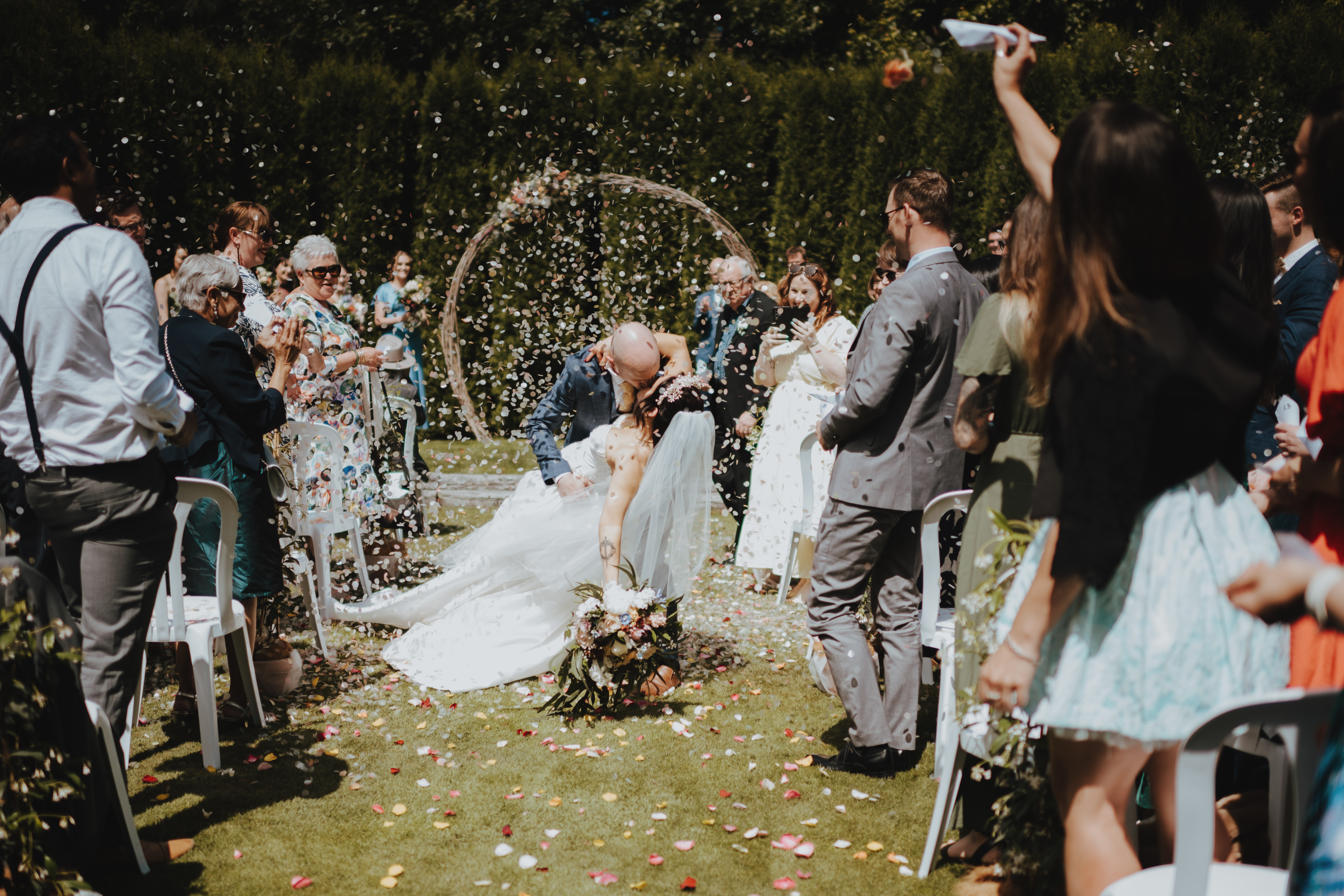
Stopping for a “second” kiss while exiting the ceremony
3. Incorporate Love Languages in the Planning Process
A wedding isn’t just about the big day—it’s also about the journey leading up to it. You can honour each other’s love languages throughout the planning process:
• Words of Affirmation: Leave sweet notes for your partner during wedding prep or surprise them with a heartfelt text.
• Acts of Service: Take on a wedding task your partner finds stressful, like organizing the seating chart or handling vendor calls.
• Receiving Gifts: Surprise your partner with a meaningful pre-wedding gift, such as a scrapbook of your relationship or a sentimental piece of jewellery.
• Quality Time: Set aside intentional, wedding-free date nights to stay connected and enjoy time together.
• Physical Touch: Relieve stress with comforting gestures, such as a back rub after a long day of planning or simply holding hands during a wedding meeting.
This ensures that your love languages are woven into both the preparation and the celebration itself.
________________________________________
4. Balance Love Languages in Guest Experiences
While your wedding is about you and your partner, your guests also have different ways of feeling connected and valued. Consider small ways to honour various love languages throughout your wedding:
• Words of Affirmation: Have a guestbook where loved ones can write heartfelt messages, or display meaningful quotes throughout the venue.
• Acts of Service: Ensure guest comfort with thoughtful touches like cozy blankets for an outdoor wedding, a coffee station, or a thoughtful wedding favour.
• Receiving Gifts: Provide personalized or locally sourced wedding favours that reflect your appreciation.
• Quality Time: Create interactive experiences, like a memory-sharing station or a fun, intimate rehearsal dinner.
• Physical Touch: Include warm, inviting spaces that encourage connection, like a lounge area for guests to relax and chat.
This creates a warm, welcoming atmosphere where both you and your guests feel truly connected.
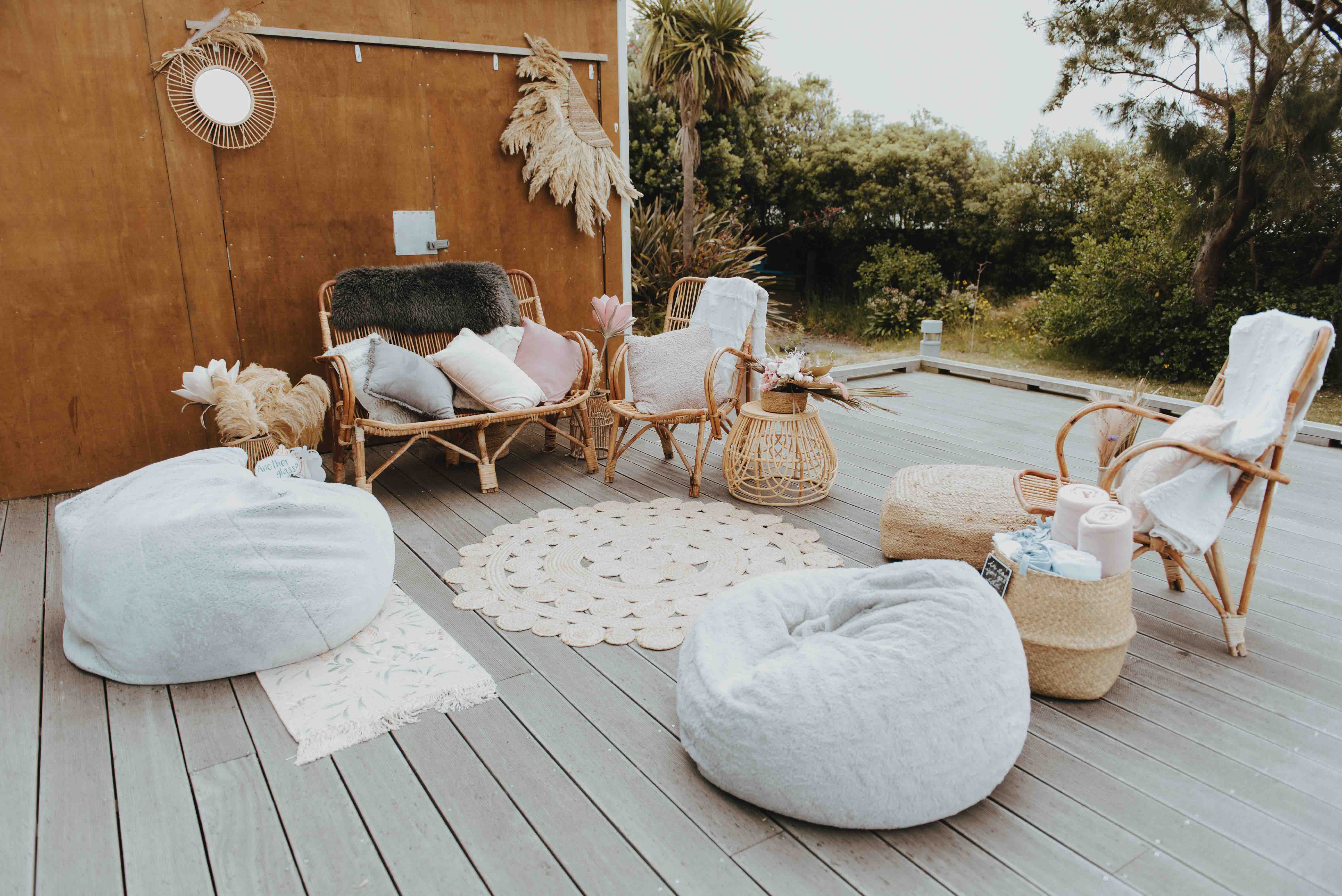
Comfy seating for ceremony
5. Revisit and Reflect Throughout the Planning Process
Wedding planning can get overwhelming, so take moments to check in with each other:
• Are both of our love languages being reflected in the wedding details?
• Are we prioritizing connection over stress?
• Are we creating moments that feel truly meaningful to both of us?
By staying mindful of each other’s emotional needs, you ensure that your wedding isn’t just a beautiful event—it’s a deeply personal and fulfilling experience that reflects the love you share.
Final Thoughts
A wedding that incorporates both partners' love languages creates a celebration that is not only beautiful but also deeply meaningful. By blending different expressions of love, you ensure that both of you feel valued, cherished, and connected throughout your special day.
Whether through heartfelt vows, thoughtful surprises, intimate moments, or affectionate gestures, your wedding should reflect the unique love you share. After all, this day is about celebrating your love story—so make it personal, intentional, and full of the love languages that make your relationship special.

Choreographed first dance under fairy lights of Lacebark wedding venue